
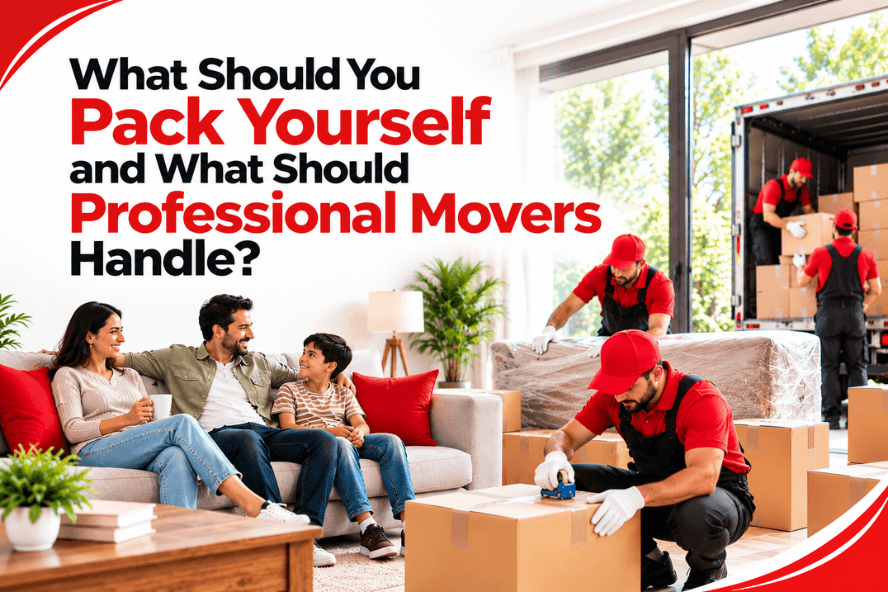
Almost every customer asks us the same thing in the weeks before moving day: how much of the packing should they do themselves? The honest answer is that most households can comfortably pack a decent share of their own belongings. But there are items where doing it yourself costs more in breakages, sore backs and lost time than it ever saves. Here’s how we’d divide the job.
The simple rule we work to
If something is light, replaceable and won’t be harmed by a bit of movement, pack it yourself. If it’s fragile, heavy, awkward, expensive or irreplaceable, leave it to people who pack that sort of thing every week.
What should I pack myself?
Everyday, non-fragile household items are the easy wins, and they make up more of your home than you’d expect:
- Clothing, shoes and bedding
- Books, magazines and paperwork (small cartons only books get heavy fast)
- Linen, towels and soft furnishings, which double as padding elsewhere
- Plastic kitchenware, pantry staples and pots and pans
- Toys, sporting gear and garage odds and ends
- Wardrobe contents you can transfer straight across on hangers
Keep passports, jewellery, medication, chargers, keys and anything you’ll need on the first night with you rather than on the truck.
Two habits make a real difference. Tape the base of every carton as thoroughly as the top, and label the side of the box, not the lid, once cartons are stacked, you can’t read the tops. Keep boxes light enough to lift comfortably and fill any gaps with soft items so nothing shifts.
What should professional movers handle?
Anything where a mistake is expensive, unsafe or impossible to undo.
Fragile and delicate belongings
Glassware, crockery, mirrors, framed artwork, lamps, televisions and computers all need proper materials and technique. Good fragile item packing isn’t about wrapping things in more bubble wrap, it’s about stopping movement altogether. Plates travel on their edges rather than stacked flat, glassware sits in cell dividers, mirrors and artwork go into purpose-made picture cartons with corner protection, and screens stay upright.
This matters more in WA than people realise. A move across town is one thing; a longer regional run means hours of sustained road vibration, and our summers turn an enclosed truck into an oven. Candles, vinyl records, cosmetics and some electronics aren’t appreciated either.
Heavy, awkward or bulky items
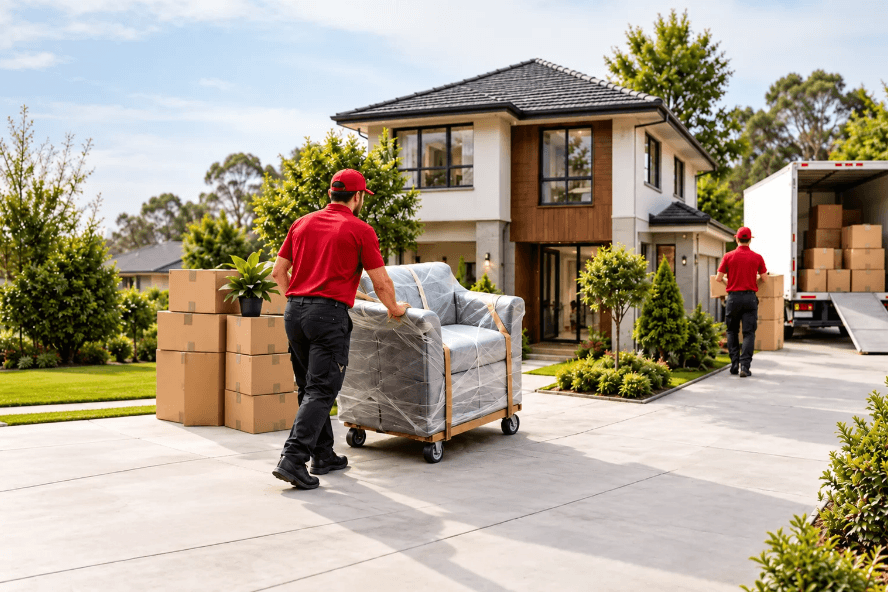
Fridges, washing machines, mattresses, wardrobes, glass-topped tables and pianos are where most moving-day injuries and damaged doorframes come from. Professional movers and packers dismantle what needs dismantling, protect edges and timber with blankets and straps, and know how to get a bulky item down a narrow side passage or into an apartment lift without gouging the walls.
Valuable or sentimental possessions
Antiques, artwork, musical instruments, heirloom china and collections are worth handling professionally simply because there’s no replacing them. It’s also worth talking to your removalist and your insurer about how these items are covered before the truck is loaded.
Can you combine DIY packing with professional help?
Yes, and it’s the option most families choose. A partial arrangement usually means you handle clothing, books, linen and the garage, while we take on the kitchen, the fragile items and anything bulky. You keep the cost down and still avoid the two jobs most likely to go wrong. Professional packing services are worth the spend when time is tight, when you’re managing a move around work and kids, or when the home has a lot of glass, artwork and electronics.
What to do before your packers arrive
- Declutter first, donating or selling beats paying to move things you don’t want
- Set aside the items travelling with you, ideally in one clearly marked spot
- Clear bench and floor space so there’s room to work
- Empty and defrost the fridge and freezer
- Secure pets and organise parking, or book the lift if you’re in a complex
- Point out anything sentimental or unusually delicate on arrival
Making the call
When you’re unsure about an item, ask yourself what happens if it breaks, and whether you’d be comfortable carrying it down a set of stairs. If either answer gives you pause, that’s the item to hand over.
If you’d like a hand deciding or you’d rather have the whole job packed properly the first time. Get in touch with the South West Removals team. We’re happy to talk through your move and what level of packing support makes sense for your home.