
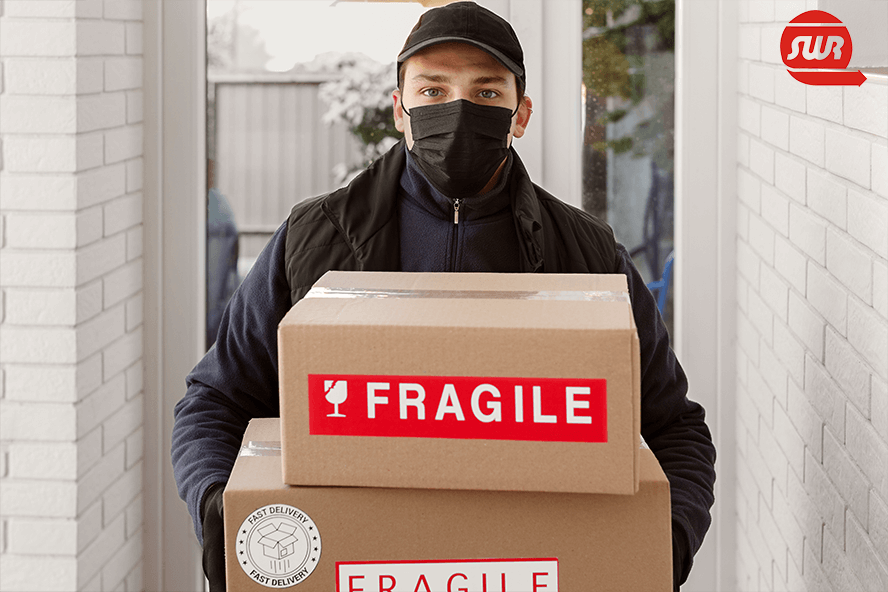
Interstate moves place greater demands on packing standards, especially when fragile household items must travel thousands of kilometres from Western Australia to their final destination. Whether you’re relocating for work, family, or a lifestyle change, moving house in WA involves careful planning and protecting delicate belongings is one of the most critical parts of the process.
From glassware and crockery to electronics and sentimental valuables, fragile items require specific packing techniques to withstand long-distance transport. This blog explains how to pack fragile items safely for an interstate move and why working with experienced interstate removalists in WA can make all the difference.
Why Fragile Item Packing Is Crucial for Interstate Moves
Unlike local relocations, interstate moves involve extended travel times, multiple handling points, road vibrations, and changes in climate. Boxes may be stacked, shifted, or stored temporarily during transit. Without proper fragile item packing, even well-made belongings are at risk of cracking, chipping, or breaking.
Professional removalists understand these risks and pack accordingly, using methods designed to minimise movement and absorb impact throughout the journey.
Gather the Right Packing Materials
Before packing begins, ensure you have high-quality materials suited for interstate transport:
- Strong, double-walled moving boxes
- Packing paper and bubble wrap
- Foam padding, towels, or moving blankets
- Heavy-duty packing tape
- Permanent markers for labelling
Avoid using old or weakened boxes, as they may collapse under weight or during handling.
Step-by-Step Guide to Packing Fragile Items
Wrap Each Item Individually
Every fragile item should be wrapped separately. Use packing paper first, followed by bubble wrap for extra cushioning. Pay special attention to corners, handles, and thin edges, which are most prone to damage. For particularly delicate items, double wrapping is recommended.
Choose the Right Box Size
Fragile items should never be packed into oversized boxes. Smaller, sturdy boxes reduce movement and make items easier to handle. For dishes and glassware, purpose-built dish packs provide added protection with thicker walls.
Pack with Weight Distribution in Mind
Plates should be packed vertically rather than stacked flat, as this reduces pressure and the likelihood of cracking during transport.
Fill All Empty Spaces
Any empty space inside a box allows items to shift during transit. Fill gaps with crumpled packing paper, foam, or soft household items such as towels or linen. A well-packed box should feel firm, with no movement when gently shaken.
Seal and Reinforce Boxes Properly
Secure all seams with strong packing tape, reinforcing the bottom of each box. Fragile boxes should be fully sealed and strong enough to be stacked without collapsing.
Labelling Is Not Optional
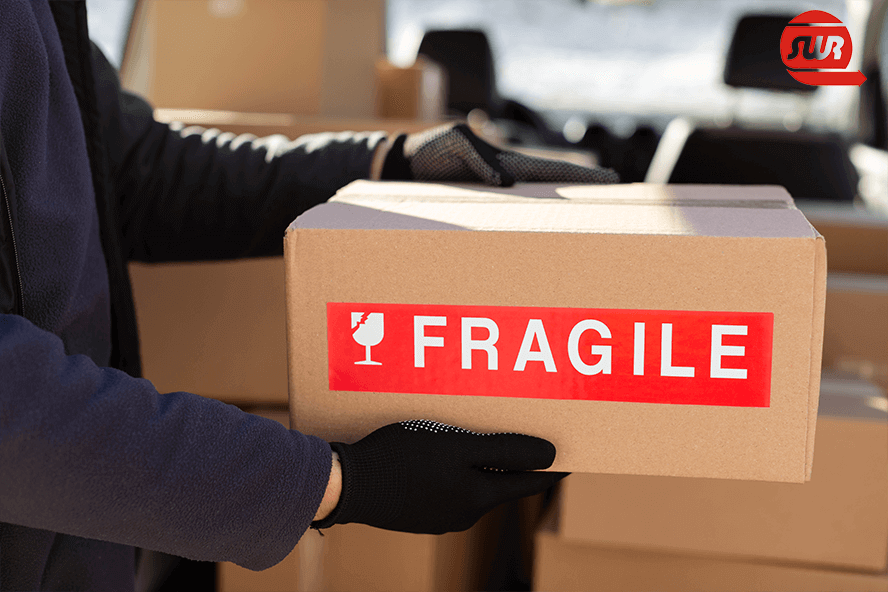
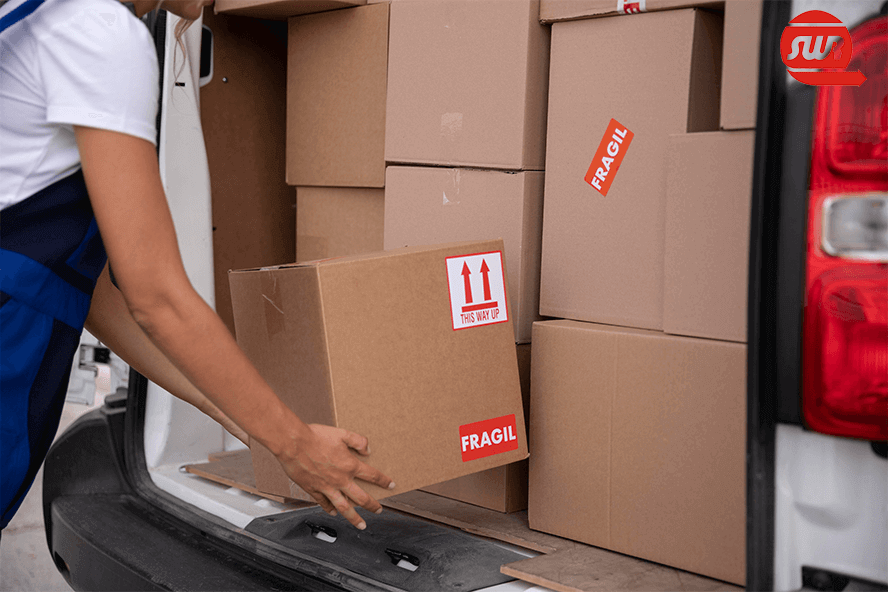
Clear labelling plays a crucial role in protecting fragile items. Mark each box with “FRAGILE – HANDLE WITH CARE” and indicate which side should remain upright. Adding the destination room also helps ensure boxes are placed correctly when unloading at your new home.
Professional interstate removalists WA rely on accurate labelling to prioritise handling and loading positions within the truck.
Packing Fragile Electronics
Electronics require additional care due to sensitive internal components. Whenever possible, pack items such as televisions, monitors, and computers in their original packaging. If original boxes aren’t available:
- Wrap screens with cardboard and bubble wrap
- Use anti-static materials for electronics
- Remove cables and pack them separately
- Cushion the box thoroughly to prevent movement
Label electronic boxes clearly and avoid stacking heavy items on top.
Should You Use Professional Packing Services?
While DIY packing may seem cost-effective, it can be time-consuming and risky without the right techniques. Professional removalists are trained in fragile item packing and use industry-grade materials designed for long-distance moves.
Engaging experienced interstate removalists in WA means your belongings are packed with transport conditions in mind, reducing the risk of damage and saving you valuable time during an already demanding move.
Preparing for Moving Day
In the days leading up to your move:
- Pack fragile items well in advance
- Keep an inventory of high-value or sentimental items
- Communicate any special handling requirements to your removalists
Good preparation ensures a smoother moving day and allows your removal team to manage loading efficiently and safely.
Conclusion
Packing fragile items safely for an interstate move requires planning, patience, and the right approach. By using proper materials, packing items individually, and eliminating movement within boxes, you significantly reduce the risk of damage.
If you’re moving house in WA and want satisfaction during your interstate relocation, working with professional removalists ensures your fragile belongings are handled with care from pickup to delivery arriving at your new home just as they left.